The Battery Isn’t What Inspectors Found Wanting. What 3,425 Checks Tell Us About Installation Quality
A new Clean Energy Regulator update contains a useful reminder for anyone with solar and a battery: the box on the wall is only one part of the system.
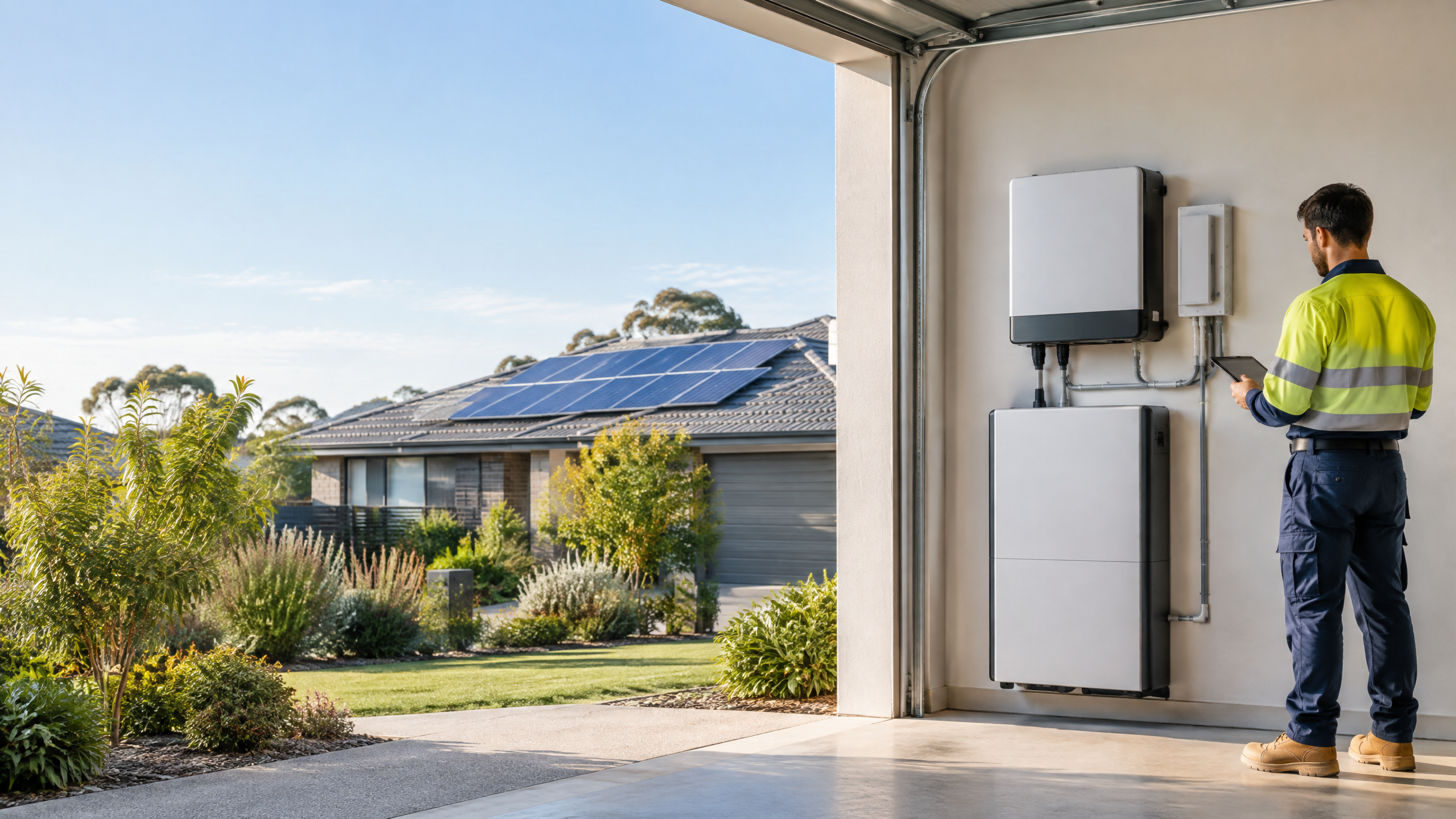
The regulator has now inspected 3,425 solar-battery installations that received Small-scale Renewable Energy Scheme certificates. Its finding is not that battery products are broadly failing. In fact, the regulator says none of the inspection findings concerned the battery product itself.
The issues were about installation practice and workmanship. Labelling was the most common technical non-compliance. The regulator also identified issues involving wiring, protection arrangements and, in unsafe cases, loose connections showing heat and loss of neutral continuity on alternative-supply circuits.
The results are not a national failure rate for every battery in Australia. The inspection program uses random sampling, but also conducts extra inspections of installers already found non-compliant. The regulator says it is too early to draw strong conclusions about overall technical-compliance rates.
Still, the report makes a broader point that is easy to miss in the rush to compare battery brands, capacities and payback periods. A good energy system depends on the quality of the installation, the documentation and the people who work on it over time.
What the inspection results actually say
As at 30 June 2026, the Clean Energy Regulator reported 478,176 solar batteries installed since 1 July 2025, representing 13.58 GWh of storage capacity. That is an installation count and a storage-capacity total. It is not a measure of electricity generation or a count of batteries installed during this reporting week.
Among the 3,425 inspected installations, 0.76% were rated unsafe. A further 62.28% were rated substandard but safe to remain operating, while 36.95% were rated adequate and safe.
Those categories need care. “Substandard but safe to remain operating” does not mean ideal or invite a homeowner to diagnose anything. It means the inspector did not assess the system as requiring removal from service at that point.
The regulator says the findings were not product defects. They related to labelling, protection arrangements, wiring and neutral continuity.
That distinction matters for owners. A battery can be a reputable product and still depend on correct design, installation, commissioning and future electrical work.
What you should take from this if you own a system
The report does not say every solar-battery system needs an urgent inspection. It does not support a blanket rule that every household must buy an annual service.
The sensible approach is evidence-based.
Monitor through its normal app or portal, follow the documentation, and note persistent alerts, unexplained loss of generation, recurring shutdown messages, safely visible physical damage or a change in expected backup behaviour.
If something looks wrong, do not open an electrical enclosure, change inverter settings, climb onto the roof or attempt a repair. Contact the original installer, manufacturer support or a suitably qualified electrician. If there is smoke, fire or an immediate danger, keep clear and contact emergency services.
The quality question is not “Do I need a service every year?” It is: Do I have a reason to seek qualified help, and do I know who to call?
Why labels and paperwork are not boring details
Labels matter when an electrician returns years later, a property changes hands or emergency responders need to understand the equipment. The same is true of paperwork. A record of the exact model, inverter, backup arrangement, monitoring platform, installation date and installer makes a future professional conversation faster and clearer.
It also supports a careful upgrade. Adding panels, a battery, an EV charger or backup capability can change the original design assumptions. Before approving work, ask who is responsible for design, connection approvals, commissioning and final documentation.
System Health Diagnostic Corner: create a no-touch system record
This week’s task takes 10 minutes and requires no tools.
Find your final invoice, commissioning paperwork and original quote. Save a single note with:
-
panel capacity in kW;
-
inverter make and exact model;
-
battery make and exact model, if you have one;
-
installation date and installer contact details;
-
monitoring-app login or account-recovery details; and
-
whether your system has backup power, and if so, which circuits the installer says are backed up.
Do not test backup circuits, touch switches or open equipment to complete this list. If a document is unclear, write down the question for a qualified installer or electrician instead.
This is not just admin. It helps when you need warranty support, a retailer or network conversation, a future upgrade or a qualified inspection. It also helps you identify the exact equipment if an approved-products listing, software notice or recall ever changes.
The wider solar story this week: scale, then responsibility
The inspection update landed alongside an extraordinary new national benchmark. The Australian Government’s latest energy statistics estimate that rooftop solar supplied 12.2% of all Australian electricity in calendar 2025. Large-scale solar supplied 7.5%.
The national series includes behind-the-meter, remote and off-grid generation, and it is a historical estimate rather than a live-grid result. It is nevertheless a powerful illustration of customer-owned solar at scale.
As that fleet grows, the conversation has to grow with it. Australia needs good installation practice, reliable records, safe upgrades and a credible end-of-life pathway for panels.
NSW has now opened consultation on a proposed product-stewardship scheme that would make panel brand owners responsible for end-of-life management of specified photovoltaic panels supplied in the state. The proposal covers collection, recycling and resource recovery, but it is not an operating scheme and would not begin until sometime in 2028 if made.
The next question for a mature solar market is how systems are installed, understood and managed through their full life.
A note on the future of professional checks
A credible professional solar or battery health check should be targeted, documented and carried out by the right qualified people. It should not be sold as a generic annual ritual for every system.
Triggers might include a fault alert that does not clear, a major drop in expected output, physical damage, an upgrade, a warranty issue, a change in ownership, an electrical incident or uncertainty about older documentation. Manufacturer guidance, site conditions and the original installer’s instructions also matter.
The purpose is not to scare owners into spending money. It is to make sure a valuable electrical asset remains understandable, supportable and safe to work around.
Australia’s battery rollout is moving fast. The regulator’s update is a reminder that the standard of the work around the battery matters as much as the badge on its front.
Get the next issue in your inbox.
One email a week. Written by someone who works inside the industry.
You might also like
Australia’s Solar Support Now Reaches 1 MW. What Changes on 1 October.
Australia has expanded federal support for larger rooftop and on-site solar projects.
Australia Has Now Installed 100 Community Batteries. Here’s Why That Matters Even If You Don’t Own One.
Australia has now installed its 100th community battery under the Australian Renewable Energy Agency’s Community Batteries Funding Initiative. That is a small number compared with the hundreds of thousands of batteries being installed in homes, but it marks an important shift in the way rooftop solar is starting to work.
Your Solar System Is Becoming Part of the Grid. South Australia Just Tested That.
It is easy to think of rooftop solar as a private appliance. Panels make electricity. Your home uses it. Anything left over goes to the grid.